ISO 9001 Customer Requirements: Getting It Right Before Work Begins
Most customer problems start well before the work does. A quote that missed something, a phone call nobody wrote down, or a change that never made it to the people doing the job.
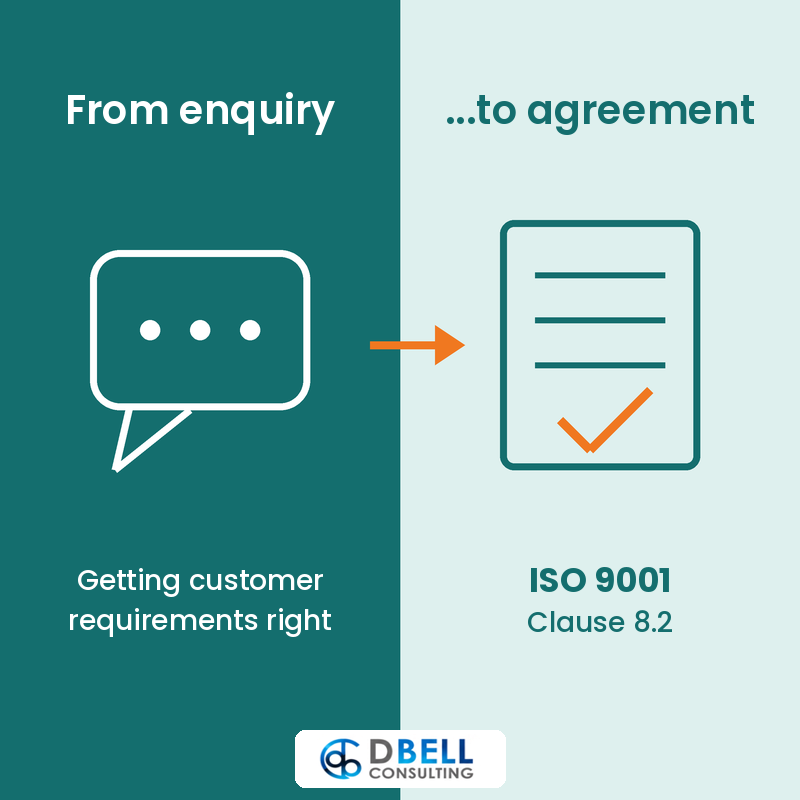
ISO 9001 customer requirements sit in the standard’s section on requirements for products and services. It gives a framework from first enquiry to agreement, and for when things change. Results depend on how your people apply it.
This article looks at what each requirement is for, with examples from different sectors.
The aim is simple. A process that helps you win the right work, deliver what you promised and protect your margins, and meets ISO 9001 at the same time.
Communicating with customers
ISO 9001 expects you to have clear ways of communicating with customers. This covers:
- Information about what you offer: So customers know what they’re buying.
- Enquiries, contracts and orders: Including changes to them.
- Customer feedback: Including complaints.
- Customer property: How you’ll handle and look after it.
- Contingency actions: When relevant, telling customers about your contingency actions, including any disruptions to providing your products or services.
Communication can take many forms, from meetings, emails and document exchange to your website, social media, FAQs and training. The intent is that important information doesn’t depend on one person’s memory. For example, a professional services firm should know who answers enquiries and how a scope question gets passed to the right person.
Customer property is easy to overlook. It can be materials, tools, drawings or information, including personal data. If you’re holding it, you’re responsible for looking after it. Our post on preservation of products and services covers some of this.
Determining what’s actually required
Before you can make an offer, you need to be clear on what the requirements are. ISO 9001 asks you to include:
- Legal and regulatory requirements: That apply to the product or service.
- Your own requirements: Those you consider necessary, even if the customer hasn’t asked.
- Your claims: Being able to meet the claims you make for your products and services.
In WA, legal requirements might include building codes, electrical licensing, WHS laws or privacy obligations. Our post on determining legal and other requirements is written for ISO 45001, but the approach is much the same.
Take a manufacturer quoting a custom order. The customer specifies dimensions and finish. However, the manufacturer may also need to consider an Australian Standard, a material certificate or a packaging requirement for transport. None of these may be mentioned in the enquiry, but they still matter.
Reviewing before you commit
This is the heart of it. Before you commit to supplying, check that you can meet what’s been asked for. The review should consider:
- Customer requirements: Including delivery and any after-delivery support.
- Unstated requirements: Those needed for the intended use, where you know it.
- Your own requirements: And any legal requirements.
- Differences: Where the contract or order differs from what was quoted, resolve it before you start.
If a customer gives you requirements verbally, confirm them before you accept them. A follow-up email is often enough. You’ll also need to keep records of the review and of any new requirements.
The review should match the risk. A standard online order doesn’t need a formal review every time. ISO 9001 recognises that reviewing your catalogue or website information can do the job. On the other hand, a tender for a large construction package needs a proper look at scope, program, resources and contract terms.
For a service provider, this is where a service level agreement (SLA) gets tested. Can you actually meet the response times you’re about to sign up to, with the people you have?
Managing changes to requirements
Requirements change. When they do, ISO 9001 expects you to update the relevant documents and make sure the right people know.
In construction, this is the variation process. The client asks for a change on site, and the change needs to be priced, agreed, recorded and passed to the crew before the work is done. Otherwise you risk doing unpaid work, or building something the client didn’t agree to.
In professional services, it’s scope creep. A small extra request becomes a regular one. A simple change request process, used consistently by your team, helps protect both the client and your margin.
Keeping it fit for purpose
None of this needs a heavy system. For many businesses, a quote template, an enquiry register, a contract review checklist for larger jobs and a variation form are a good start.
The standard gives guidance. Good outcomes come from your people’s judgement and culture. Build on what works, fill the gaps, and keep records that are useful to you.
Final Thoughts
Getting customer requirements right before work begins saves time, money and relationships. ISO 9001 gives the framework. Your team makes it work. So, how confident are you that your next job starts with everyone agreeing on what’s being delivered?
Speak with Us about your ISO 9001 Needs
DBell Consulting helps WA organisations build practical quality management systems that support the way they work. See our ISO Compliance and Certification services, or please visit our Contact Us page.
How this article uses its sources
Source and status note: We’ve paraphrased the requirements of ISO 9001 [1][2], not reproduced them.
- ISO requirements: The “shall” statements in the published standard.
- DBC commentary: The examples and practical suggestions are our professional opinion. They aren’t a formal interpretation of the standard.
Accessing Official copies of ISO Standards
ISO management system standards are protected by copyright, with reproduction subject to certain restrictions. This includes the standards being subject to licensed purchasing via the ISO website and approved distributors. If you require a copy of these standards, visit the ISO website, or follow the below links for specific standards:
- ISO 9001:2026: Quality Management Systems https://www.iso.org/standard/9001
- ISO 14001:2026: Environmental Management Systems https://www.iso.org/standard/14001
- ISO 45001: Occupational Health and Safety Management Systems https://www.iso.org/standard/63787.html
- ISO/IEC 27001: Information Security Management Systems https://www.iso.org/standard/27001